Why Abrasives Are the Last Place to Value-Engineer a Job
When margins tighten and budgets get scrutinized, consumables are always the first target for cost-saving measures. They’re easy to spot on a line item, easy to compare on price, and easy to cut without anyone in a leadership meeting pushing back. Grinding wheels, cutting discs, and flap discs feel like small purchases. Surely there’s room to trim.
There usually isn’t. Not here.
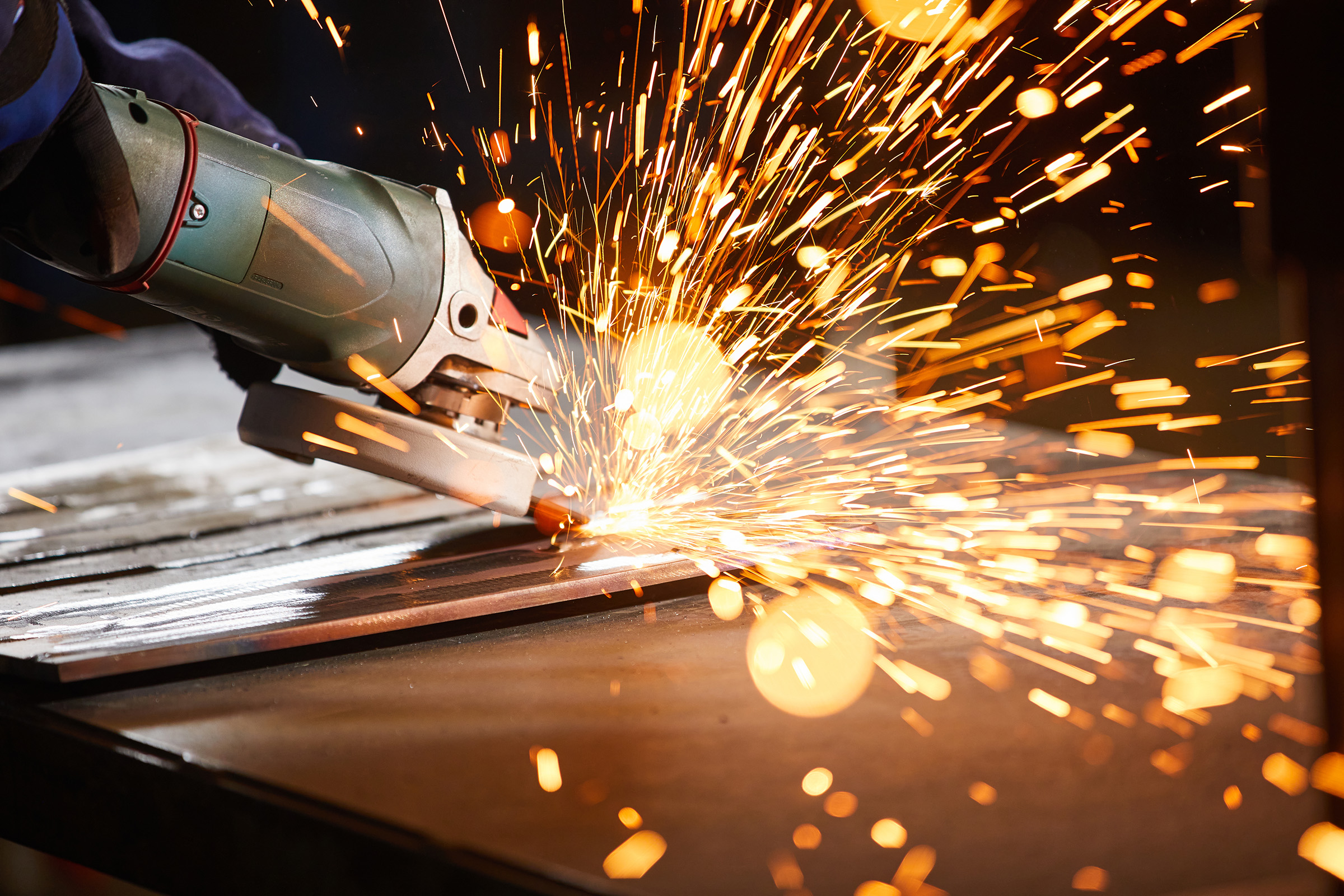
Abrasives occupy a unique position in the production process. They are the point of contact between your equipment and your workpiece. Everything that happens to that part — the cut, the finish, the heat generated, the material removed — flows directly from what that wheel is doing. Cost-cutting decisions made at the purchasing stage show up at the production stage, and they show up in ways that are expensive to fix.
Why consumables feel like the safe place to cut
The logic is understandable. A grinding wheel is a fraction of the cost of the material it’s working on. It’s a fraction of the labor cost of the operator running it. Compared to capital equipment, tooling, or overhead, abrasives look like rounding errors.
But that framing gets the relationship backwards. The abrasive isn’t a minor supporting player in the production process. It’s the variable that determines whether everything else in that process (the machine, the operator, the material) delivers the result you need. Downgrade the abrasive, and you’re not just buying a cheaper wheel. You’re introducing risk into every part that wheel touches.
Where the downstream costs stack up
The failure modes for low-quality abrasives on demanding work are well documented: faster wear, more frequent changes, heat buildup, inconsistent cut rates, and compromised surface finish. Each one of those is a cost center on its own. Together, they compound.
A wheel that wears faster means more change-outs, which means more labor time that isn’t producing parts. A wheel that runs hotter means heat stress on the workpiece, which, on stainless, titanium, or high-nickel alloys, can mean scrapped parts or rework. A wheel with inconsistent cut rates means operators work harder to compensate, which means fatigue and less precise results over a long shift.
None of those costs appear on the purchase order for the cheaper wheel. They appear later, spread across labor reports, inspection failures, and rework orders — disconnected from the original purchasing decision in a way that makes the connection easy to miss.
“We’ve found that when shops switch to lower-cost abrasives on critical jobs, operators spend more time fighting the process than making parts,” says Dan Ledogar, United Abrasives Director of Regional Sales.
The jobs where this matters most
Not every application demands a premium abrasive. Running a quick cleanup pass on mild steel with loose tolerances? There’s more room to work with on price. But the calculus changes completely on high-value material, precision components, or work where the cost of a failed inspection is high.
In those environments, the abrasive is not a commodity. It is a quality control input. And treating it as a commodity introduces a quality risk that the rest of your process, including your equipment, your operators, and your inspection protocols, must absorb. That absorption has a cost, even when it works. When it doesn’t work, the cost is even higher.
Save money somewhere else
This is the argument United Abrasives is willing to make plainly: if you’re looking for places to reduce consumables spend, abrasives on demanding applications are the wrong place to start. The downstream exposure is too high, and the savings are too small relative to the cost of a single failure.
There are smarter places to look. Standardizing on fewer SKUs to reduce ordering complexity. Improving storage and handling to reduce waste. Running a proper cost-per-part analysis to find applications where a mid-range product genuinely is sufficient.
Those are real savings opportunities. Swapping a quality wheel for a cheaper one on a tight-tolerance job is not a savings opportunity. It’s a deferred cost with interest.
What this means for your operation
United Abrasives has built its reputation on manufacturing discipline, batch-to-batch consistency, and products that perform the same way under real shop conditions as they do on paper. That’s not a marketing position. It’s the reason shops that run demanding work standardize on a brand and stay there.
When the job demands it, the abrasive has to deliver. Everything downstream depends on it.
This is the final post in our three-part series, The Cost of the Wrong Abrasive. Find the first of the series here, and the second article here. If these posts have prompted questions about which United Abrasives products are right for your application, visit unitedabrasives.com or reach out to your distributor.
Subscribe
Get product news and tips straight to your inbox