What Welders Know About Abrasives That Buyers Don’t
There are two people in every shop who have an opinion about the grinding wheel on the bench. One of them is holding it. The other one ordered it three weeks ago from a catalog, compared a couple of prices, and moved on to the next line item on the purchase order. Only one of those two people is going to feel the difference between a wheel that works and a wheel that doesn’t, and it’s not the one with the spreadsheet open.
That’s not a knock on buyers. Somebody has to manage cost, track vendors, and keep the shop stocked without blowing the budget. It’s a tough job.
But there’s a gap between the person who specs abrasives and the person who runs them, and that gap is almost universal in this industry. It’s worth naming, because once you see it, you start understanding why some purchasing decisions look great on paper and feel terrible on the floor.
What the Operator Knows in the First Thirty Seconds
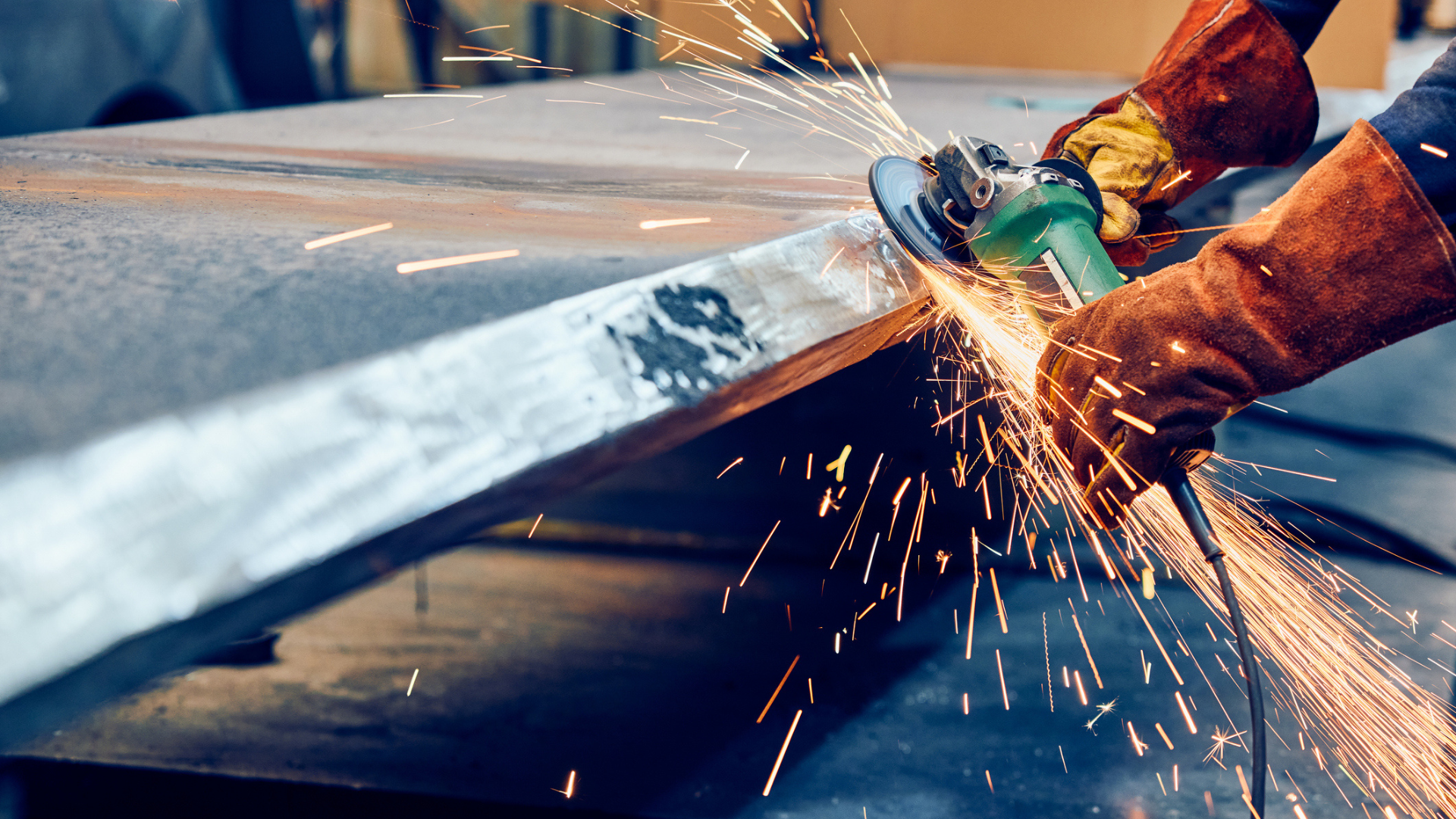
Hand an experienced welder or grinder operator a new wheel, and they know what they’re dealing with almost immediately. They feel it in the load, in how the wheel bites versus skates across the metal. They hear it change pitch when the grain starts to glaze over. They notice the vibration creeping into their wrist before it ever shows up as a quality problem on the part. None of that gets written down anywhere. It just gets absorbed into how the job goes that day.
A buyer looking at a data sheet sees grit size, RPM rating, and a price per unit. An operator running that wheel for eight hours sees how much extra time they’re spending fighting a product that should have been finished cutting an hour ago. Those are two completely different pictures of the same purchase, and only one of them shows up on an invoice.
Why the Gap Costs More Than Anyone Tracks
This disconnect isn’t just an annoyance. It has a dollar figure attached, even if nobody’s calculating it. Slower cutting means longer job times. A wheel that dulls early or wears unevenly means more changeovers, more downtime, and more scrapped consumables. And when a crew gets handed a batch of product that underperforms, they notice. Good operators know the difference between a tool that’s helping them do their job and one that’s making them fight for it, and morale takes a hit when management keeps sending the second kind.
There’s a safety angle too. Operators who trust their abrasives work differently than operators who don’t. Hesitation, extra passes, and forcing a wheel that isn’t cutting the way it should are exactly the conditions where mistakes happen. A buyer optimizing for unit cost rarely sees that part of the equation, because it doesn’t show up until something goes wrong.
“The safety and performance of a potentially dangerous product should never be judged on price alone. The operators in the shop and field need to be consulted before an abrasive product is selected and used in production,” explains Dan Ledogar, Director of Regional Sales for United Abrasives.
Giving the Floor a Voice in the Purchase Order
None of this means buyers are doing their jobs badly. It means the purchasing process works better when it includes the people who actually run the equipment. A five-minute conversation with a lead welder or fabricator before switching abrasive suppliers can surface problems no spec sheet will ever mention, like how a wheel behaves on stainless versus mild steel, or how it holds up on overhead work versus flat stock.
Smart shops build that feedback loop in on purpose. They ask the crew what’s working and what isn’t. They treat operator complaints about a bad batch as data, not noise. And when they find a supplier whose product performs the same way every time, they stick with it, because consistency on the floor is worth more than a few cents saved on paper.
The Bottom Line
The person ordering abrasives and the person running them are looking at two different versions of the same decision. The buyer sees a price. The operator sees a shift. Closing that gap, even a little, means better decisions and fewer surprises for everyone involved.
United Abrasives/SAIT has been building products for the people actually doing the work since 1970, not for the line item on a purchase order. That’s the whole philosophy: side with the craftsperson, because they’re the ones who’ll tell you the truth about whether a product actually performs. Explore the full product lineup at unitedabrasives.com.
Subscribe
Get product news and tips straight to your inbox